

An older father and his adult daughter talking together in their living room

Family transition navigation & coordination

Helping families move forward when it matters.

Taking care of what needs to happen, so families can be present for what matters most.

  1. Plan
  2. Belongings
  3. Property
  4. Connect & Coordinate

01 — The reality

When there's more to handle than expected.

A change in care can create an unexpected list of things that suddenly need attention.

Family members turning the pages of a photo album together, with old photographs spread across a coffee table

You don't have to walk this path alone.

  1. The safety of someone you love.
  2. Their care.
  3. The home.
  4. A lifetime of belongings.
  5. Finances.
  6. Family responsibilities.
  7. Timelines.
  8. Service providers.

And decisions no one expected to be making right now—when there is already so much going on in the day-to-day.

Key Family Transitions helps families make sense of what needs to happen, connect with the right resources, and coordinate the practical pieces that can stand in the way of moving forward.

We've been where you are, and we understand that a family transition can become much more than anyone anticipated.

02 — Where to begin

Two ways in. One steady guide.

Whether you're in the middle of it with your own family or supporting a client's, we start where you are.

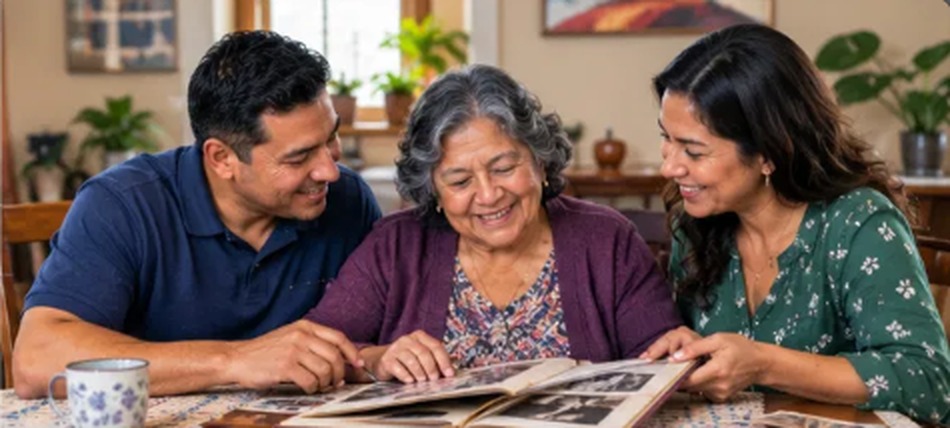
An older mother and her two adult children smiling as they look through a family photo album

For Families

Something is changing, and you're trying to figure out what happens next.

Whether you're helping a parent, supporting a spouse, or navigating your own transition, we'll start by understanding what's happening and what support is already in place.

If care needs haven't yet been assessed, we can help connect you with an appropriate independent care professional before—or alongside—we begin to identify the practical pieces that need attention.


A care professional taking notes while sitting with an older man and his adult daughter

For Professionals

The care path is becoming clear. Now the family has practical obstacles to overcome.

You may already know what your client needs next—but the home, belongings, finances, family responsibilities or logistics may be preventing the transition from moving forward.

KFT becomes a resource alongside the family, helping address those practical pieces while you remain focused on the work you do best.

03 — How we help

Four practical pieces, handled together.

See How It Works

Plan

Make sense of what needs to happen.

We begin by understanding what's changing, what's most pressing, who is involved, what resources are already available, and what may be standing in the way.

Belongings

Determine what goes with them—and what happens to everything else.

A lifetime of belongings can quickly become one of the largest pieces of a transition.

A new community may have limited space. Family members may live hours or states away. There may be meaningful items to distribute, collections requiring specialized attention, things to sell or donate, and sometimes a home filled with more than the family can reasonably manage.

We help break the process into manageable decisions and connect the resources needed to move it forward.

  1. Keep
  2. Distribute
  3. Sell
  4. Donate
  5. Dispose

Property

Understand what the home needs—and what role it plays in the transition.

The home may need to provide equity for care. It may need repairs, cleanout or ongoing attention. Family may live far away. Or timing may simply make a traditional preparation and sale impractical.

We help identify the circumstances surrounding the property so the family can understand the available paths and connect with the appropriate professional solution.

Connect & Coordinate

Bring the right resources together.

We help initiate connections with appropriate resources, establish responsibilities and coordinate timing so the family isn't left managing every piece independently—and can remain focused on the loved one who needs them.

04 — How it works

A clear path, one step at a time.

  1. Connect

    Tell us what's happening.

    Some families know exactly what needs to happen—they simply don't have the time, proximity or ability to manage it themselves.

    Others aren't sure where to begin.

    We'll start where you are.

  2. Identify the Path

    If care needs haven't yet been professionally assessed, we can help connect an appropriate independent care resource.

    If the care direction is already known, we can proceed with identifying the practical obstacles and pieces that need attention.

    Sometimes those paths can happen alongside one another.

  3. Map What Needs to Happen

    Belongings. Financial considerations. Home. Family responsibilities. Resources. Timing.

    We organize the pieces into an actionable transition roadmap—what needs to happen, who is responsible, and what comes next.

  4. Connect & Coordinate

    Bring appropriate resources into the process, establish responsibilities and help keep the moving pieces moving.

  5. Move Forward

    As the practical obstacles are addressed, the family can spend less time managing the transition and more time being present for what matters most.

Need to talk?

You don't need to have everything figured out before reaching out.

Tell us a little about what's happening, and we'll start there.